Growth and Change: How Aging Alters Your Perspective

Life is a vibrant tapestry of experiences woven from fascinating and transformative threads that change and enrich our perspective. Aging is one such significant thread that brings profound shifts in our point of view. These changes are not just physical, but touch every facet of human existence and profoundly influence how we perceive and respond to our surroundings.

Understanding these changes and aligning our attitudes and actions accordingly is a key to personal growth and development. This blog post focuses on how aging can educate, inspire, and advance students’ perspective on their own selves and life’s adventures.

A Lifetime of Learning: Discovering Your True Self

As we grow older, reality’s complex layers unfold, birthing profound realizations about the self. These realizations influence our perceptions, shift our attitudes, and reshape our actions. They serve as milestones in our lifelong journey of learning and self-discovery.

Your days in academia resemble a microcosm of life itself. As students, this is an excellent stage to engage in introspection and self-realization. “Who am I?” and “What do I want from life?” are defining questions at this juncture. Decoding these questions helps in discovering your true self and setting a purposeful life course.

Aging equips students with the emotional and intellectual bandwidth to break free from clichéd thinking patterns and broad societal narratives. It enables them to dig deeper and discover their unique capabilities, aspirations, and potential. This self-discovery illuminates the pathway to personal and professional success, paving the way for satisfaction and fulfillment.

Age and Experience: Evolution of Perspective through Life’s Adventures

The aging process is intrinsically tied to the accumulation of experiences, and these experiences fundamentally influence our worldview. Each experience, positive or negative, is a lesson that propels us to grow. Life’s adventures, especially during student years, act as catalysts in this growth process, honing skills, shaping character, and driving evolution of perspective.

As we age, our exposure to a variety of life experiences broadens. We meet different kinds of people, navigate diverse situations, tackle various challenges, and wrestle with success and failure. These interactions, situations, and emotions enrich our life, making us understand the world in a deeper and nuanced manner.

Students can leverage these life adventures to broaden their perspective, refine critical thinking, build resilience, and nurture empathy. Embracing these experiences as significant chunks of the aging puzzle can make the journey of growing older a thrilling, rewarding, and enlightening one.

Adapting to Change: The Resilience of Age

The fluidity of life translates into a state of constant change. As we age, we become more adept at dealing with change – both internal and external. This acquired resilience reflects our evolved perspective and learned adaptability.

Students’ learning curve significantly sharpens from the ability to embrace and adapt to life’s changing circumstances. It propels them to explore unfamiliar terrains, adapt to new situations, overcome obstacles, and rebound from adversity. This critical life skill supports them in their transition from academia to real-world professional settings.

Conclusion: Age as a Catalyst to Personal Development

The landscape of life is dynamic, with the passing years carving out the contours of our existence. Aging, in essence, is a symbolic representation of personal growth and development.

For students, this organic process of aging provides a unique opportunity to engrave their individuality, broaden their perspective, harness their potential, and chart their success. By embracing the aging phenomenon, recognizing its nuances, and integrating its lessons, students can readily prepare for life’s various adventures, unearthing their true selves in the process.

Celebrating growing old is essentially celebrating life in its entirety. It presents a powerful tool to reshape perception, redefine purpose, cultivate resilience, and evolve into an authentic, humane, and accomplished individual. So, as you navigate your life’s transitions, remember to value the insights of your aging journey as the gold standard for personal growth and evolution.

Spread Your Wings, Hitch to a Star: Charting Space Travel’s Extraterrestrial Evolution

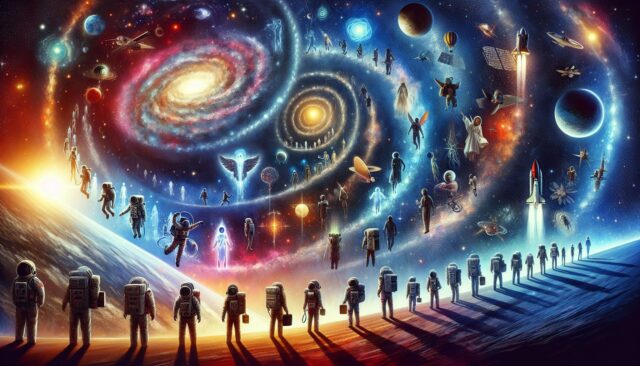
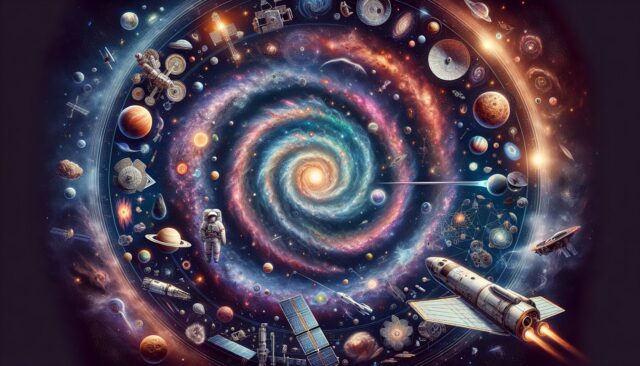
Look beyond your travels to the colorful corners of the globe, space is the bona fide final frontier. The mysterious star-studded vastness has piqued human interest since time immemorial, not only fueling our innate curiosity but also tempting us to become interstellar explorers. But, how far have we optimistically evolved in the field of space travel? Pull your seat belts tight, time to liftoff and explore.

Laying the Launch Pad – Humble Beginnings

Remember the spectacular 1969 Apollo mission when Neil Armstrong left an indelible print not just on the moon but in our hearts as well? The reverberations of his iconic “one small step for man, one giant leap for mankind” still echo, symbolizing the zenith of human ambition. But, this immense success was built on humble beginnings.

Space travel, as we know it today, was not even a remote possibility until the 20th century. The key breakthrough came in 1957 when the Soviet Union’s spacecraft, Sputnik, orbited our blue planet. In 1961, Yuri Gagarin, another Soviet astronaut, was to be the first human to live this lofty dream and glance at earth from the heavens. Almost ten years later arrived the moment that bat the parochial shackles of the earth: Armstrong’s lunar strut.

Rockets to Resorts – The Evolution

Fast forward to the 21st century, the space travel industry seems to be shape-shifting from governmental organizations monopolizing space travel to private companies like SpaceX and Blue Origin taking us closer to realizing interspace as the next tourist spot!

Commercial space travel purposes to regularize space tourism. It offers ordinary individuals (with extraordinarily deep pockets, initially!) the opportunity to experience space travel first-hand. Virgin Galactic, for instance, has already sold about 600 tickets, each cost approximately $250,000, for awaited suborbital flights.

SpaceX is sustained by the ambition of colonizing Mars while Blue Origin aims to inhabit millions of people off-Earth! Futuristic envisages may seem far-flung but, in theory, are achievable, provided we conquer technological, biological, and environmental challenges.

A Blooming Affair – Mental Health and Space Travel

Downplaying the inherent risks associated with space travel can be catastrophic. While the physical burden is overt, the mental health implications are more cryptic, often underemphasized. Imagine being in an enclosed metal space, detached from the earth, communicating virtually with your loved ones, battling the unsettling quiet, and grappling with abrupt changes in gravity, for months on end. Sounds daunting, doesn’t it?

NASA, acknowledging the gravity of the situation (pun intended), has put in place stringent mental health screenings for astronauts. It emphasizes team dynamics sessions to ensure interpersonal compatibility and psychological adaptability, a harbinger for success on a long mission. Additionally, astronauts undergo relaxation and self-care training to acclimatize to the alien conditions.

Life Adventures – The Allure of Space Travel

Despite the apparent perils, the charm enthralling space travel is undeniable. Humans are explorers by nature, and the thrilling premise of trudging where no one has before is irresistible!

The rewards aren’t merely a beautiful Instagram feed (although imagine the likes from a Martian sunset!). The benefits of space travel are multifold: from scientific advancements that aid earth in understanding our universe, our planet, and ourselves to accumulating resources potentially available on other planetary bodies.

Beyond the Horizon – What Lies Ahead?

The possibilities are starry and vast. The prospect of a fully-functioning lunar base as a pit stop for Mars missions isn’t far off. Asteroid mining, exploiting the natural resources available out in space, can potentially revolutionize industries on Earth.

Furthermore, a patient with an incurable disease could engage in deep space missions, accepting the trade-offs between longevity and quality of life, basking in the final days of their lives around the cosmos and advancing humankind’s understanding of space.

Conclusion – Reaching for the Stars

The potential of space travel exhilarates and intimidates in equal measure. It’s a dance with the unknown, carrying both untold possibilities and unprecedented risks. One cannot deny the allure of watching twinkling stars up close, or the voluptuous allure of an alien dawn cresting over an extraterrestrial horizon. These prospects entice the adventurers, the daring, and the dreamers. But to thrive and not just survive, requires scientific, technological, and human developments.

Our journey to becoming interstellar beings is just getting ignited. The question is, would you dare become a cosmic wanderer, spreading your wings to hitch to a star?

Remember, as Carl Sagan once said, “somewhere, something incredible is waiting to be known.” Will you be the one to uncover that? Space awaits, brave traveller. The cosmos is the limit to your celestial dreams.

Wisdom is a Journey, Not a Destination: A Traveler’s View

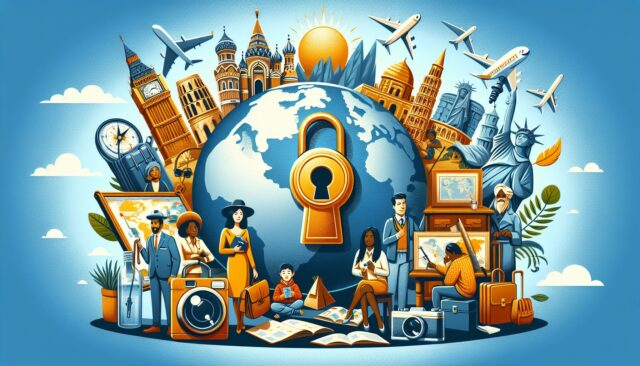
As global citizens who pack up their lives in suitcases and passports, our journey becomes that of exploration, curiosity, and life-changing experiences. And what do we seek the most from these sojourns? Wisdom. The hidden partner of our incessant wanderlust, accrued from nooks and corners of cultures and experiences – a constant and invisible companion.

The Search for Wisdom

Travel is more than just sightseeing; it’s a thirst for understanding that compels us to step outside our comfort zones and venture into the unknown. It drives us to question, to wonder, to fathom, leading us to the holy grail of all queries – wisdom.

Wisdom, in its unfathomable depths, is a fusion of knowledge, understanding, experience, discretion – all gained over a period of time. And there’s no better way to nurture this wisdom than to travel. To simply become a sponge ready to soak all there is about different lifestyles, languages, historical perspectives, cultural practices, and natural phenomena.

Life’s Classroom: The World

Travel is the globetrotter’s classroom, and life, their teacher. The Earth, with its myriad cultures and countless lessons, offers more wisdom than a thousand aged sages combined. Each location, with its own story and unique characteristic, imprints itself on the traveler’s mind, making them a little wiser with every stop.

Paris, with its art-deco and cultural finesse, imbues ways of seeing beauty in unconventional places. Rome, a city trapped in time, teaches the importance of unity in diversity. Tokyo’s blend of tradition and modernity exemplifies balance and discipline, while India, the cradle of spirituality, opens doors to the timeless dimensions of the soul.

With each stamp on the passport, travelers are awarded chapters of wisdom and understanding that render their experiences depth and richness.

The Power of Perspective

One of life’s greatest lessons comes in the form of perspective. Adapting to new surroundings, understanding different cultures, coping with the unexpected – all these elements of travel instills in one the adaptability and openness to perceive things from various angles.

Hiking trails in Peru, one quickly learns to appreciate the simplicity of life amidst mountains. While trekking through crowded bazaars in Marrakech, one understands the power of negotiation and diplomacy. As one navigates through the maze-like streets of Venice, the concept of surrendering to the unknown is imprinted.

Thus, the wisdom gained from travel unfolds in shifts of perception and new angles of vision.

Human Connections and Shared Wisdom

Engaging with locals, encountering fellow travelers and forming bonds that go beyond geographical boundaries, one nurtures a wealth of wisdom that only human connection can offer.

A smile exchanged with a passerby in a foreign city evokes the universal language of kindness and familiarity. A shared meal with a local family brings appreciation for their culinary traditions and rituals. Deep conversations about life with fellow nomads under a starlit sky remind us of our shared human experiences and aspirations.

This shared wisdom transcends the confines of classroom education, bookish knowledge, and academic degrees. After all, what’s more enlightening than understanding our shared, yet diverse, human journey?

Wisdom Translated as Growth

Naturally, this exploration of life, which imparts wisdom, translates into personal growth. It cultivates a perspective that perceives change as exciting rather than intimidating. It instills a spirit of resilience and adaptability, essential in this rapidly evolving world. And most importantly, it nurtures empathy and compassion for the world outside their own, breaking the bubble of parochial thinking.

Travel, exploration, and wisdom are interconnected. Each journey adds a thread to the tapestry of wisdom, woven with experiences and life lessons. It’s not merely a spectator’s activity – it’s an immersive process of learning and growing. Acting as mirrors, the experiences remind us who we are and where we come from while pointing us in the direction we want to go.

In Conclusion

We’re not just passersby on this planet, but perpetual students in the grand institute of life. Every trip, every ticket, every memory is a graduate lesson in the curriculum of wisdom. So, pack your bags, put on your traveler’s boots, and get ready to enrich your life with lessons you’ll carry far beyond the trip. After all, wisdom might not be the destination but it sure is an exciting journey.

Unveiling the Cosmos: How Space Exploration Enhances Your Life Journey and Understanding of the World

Space exploration, albeit a complex and technical subject, has profound relevance to our everyday lives. Just as individual journeys through life and the expeditions to the vast corners of our world, space discovery offers immense prospects for personal growth, improved global merging, and a shift in our perspective about our role in the universe.

I. Venturing Beyond Our Comfort Zones, Much Like World Travel

Embarking on the path of learning about space exploration is much akin to stepping out of our comfort zones – similar to getting on that plane to a foreign country, heart pounding with excitement and a dash of fear. In both scenarios, we are confronted with the unfamiliar, challenged by differences, and yet, we forge ahead.

1. Learning About Space Expands Our Horizons

Life can be compared to a journey in a cosmic vehicle, and space exploration allows us to broaden our horizons. Grasping cosmic concepts – from understanding galaxies to black holes – necessitates cognitive agility, catapulting one’s intellectual boundaries.

2. Strengthening Problem-Solving and Critical Thinking

The countless mysteries space presents, like those encountered in unfamiliar territories on our planet, require perceptive problem-solving and a critical mindset. How do astronauts survive in space’s harsh environment? How can we communicate over light-years of distance? Such questions encourage thought development, fostering analytical skills privileged in all areas of life.

II. Through A Global Lens: Space Exploration and Global Unity

Just as travel can reduce our prejudices and foster a keen sense of global citizenship, understanding space exploration can cultivate an appreciation for international collaboration and unity.

1. Space Exploration Promotes International Cooperation

Both space agencies and private companies worldwide work hand-in-hand towards the shared goal of exploring the cosmos. From the International Space Station, a product of collaboration among five space agencies, to the global participation in Mars missions, space exploration underlines the importance of unity in advancement.

2. A Synonym For Peace

Space’s expanse is a common heritage of humankind, transcending political boundaries. The Outer Space Treaty, calling for peaceful exploration, epitomizes the universal pledge towards serene advancements, reminiscent of the peaceful channels travel can open.

III. A Shift in Perspective: Our Blue Marble and Beyond

The experience of travelling can radically alter our worldview, and analogously, understanding space exploration and its findings can instigate a perspective transformation about our existence on Earth.

1. The Overview Effect – Earth, Our Shared Home

Cosmonauts and astronauts often talk about the Overview Effect – the cognitive shift in awareness reported by some astronauts during spaceflight, wherein they experience the reality of Earth as a tiny, fragile ball of life, shielded and nourished by a paper-thin atmosphere. Just as we learn to respect cultural nuances while traversing continents, the Overview Effect reinforces that Earth is a shared home needing collective care.

2. Comprehending Our Place in the Universe

Understanding our vast universe urges us to reassess our significance. Just as travel can make us appreciate the grand scale and diversity of life on Earth, space exploration makes us ponder our place in the cosmos. It’s a humbling reminder of our planetary confines in the expansive backdrop of infiniteness – underlining the imperativeness for preservation and conscientious cohabitation.

Conclusion: The Journey Continues

In essence, unveiling the cosmos through space exploration is a journey – a journey that parallels our endeavours in world travel and navigating life. It offers food for our curiosity, amplifies our perspective, draws us closer as a global family, and mirrors our journey on this blue marble.

Even as the footprints of the intrepid Apollo astronauts remain uneroded in the lunar soil, our journey of discovery and understanding seems never-ending. The cosmos remains in large part uncharted territory. The destination remains unknown, yet, as highlighted, the journey itself is fundamentally enriching, moving us forward, one small step at a time. Together, we look ahead to the journey and eagerly anticipate where it will lead us next in this celestial pursuit of knowledge.

The Power of World Travel and Exploration: Unlocking Personal Strength and Professional Growth

Traveling is a symphony that harmonizes personal growth, rich experiences, and an adventurous spirit. It is a magnificent journey of self-discovery and life enhancement. As you step out of your comfort zone, the world becomes your classroom, offering real-life lessons that transcend what is taught within four walls.

Broadening Your Worldview

Venturing into new territories broadens your perspective on life. As your footsteps trace the sands of a distant desert or echo in the hallowed halls of a centuries-old temple, you absorb unique cultural perspectives. You are exposed to diverse ways of thinking, varied lifestyles, and unique cultural norms. As your passport gathers stamps, your mind accumulates knowledge, thereby transforming not just have a panoramic view of the world, but an intimate understanding of its myriad hues.

Meeting new people from different cultures offers a fresh perspective on social interactions and networking, thus boosting your interpersonal skills — a key factor for professional growth. The experiences garnered can give birth to new ideas, shape your simply professional outlook, and equip you with innovative techniques to solve problems.

Resilience, Self-Reliance, And Personal Development

Imagine finding yourself in a foreign country, navigating unfamiliar cities using just a map and your instincts. There may be times when it pushes you towards frustration, but with each challenge comes a realization. Realization of your resilience and ability to manage unanticipated situations with aplomb.

Such experiences sculpt your character, fostering patience, humility, and resilience — qualities that hold a high premium in professional and personal life. These experiences also instill a sense of self-reliance. As you conquer the challenges that come with traveling, you understand yourself better, recognize your abilities, discover hidden aspects of your personality, which translate into stronger self-confidence and increased tenacity.

Language Skills and Cultural Competence

Exploring different parts of the world open doors to new languages. Whether it’s just learning a few phrases to navigate daily life or achieving a degree of proficiency; language learning enhances neurological health, improves memory, and increases multitasking ability, which bolsters your professional competence.

Traveling also cultivates cultural competence — an invaluable trait in today’s globalized business environment. It helps you understand and appreciate cultural differences, which aids in harmonizing multinational professional relations. Cultural competence can transform you into a global citizen, capable of communicating, interacting, and empathizing with individuals from diverse cultural backgrounds.

Digital Nomadism: Marrying Work and Adventure

In the digital age, where the concept of workspace has evolved beyond the conventional office setup, the idea of world travel and exploration has become even more enchanting. Digital nomadism is blossoming and millennials are increasingly mixing their vocation with vacation, in search of both professional success and life adventures.

The freedom to work remotely while savoring the beauty of different places across the globe boosts creativity, fuels inspiration, and leads to high personal satisfaction. This not only results in enriched personal life but also in increased productivity and better quality of work.

Conclusion: Harnessing the Benefits of World Travel

Traveling is not just a passport to leisure, but also a ticket to personal and professional growth. It immerses you in varied experiences, inspiring you to adapt, innovate, and evolve. It is an adventure in self-discovery, a treasure trove of knowledge, a continuous learning journey that etches indelible marks on the soul. When leveraged properly, travel can become a strategic tool to develop and harness necessary life skills.

The challenges you face during your travels can prepare you for obstacles that might arise in your professional life. The wider your contact with diverse cultures, the broader your perspective. And the more you journey into unknown territories, the more resilient and adaptable you become.

In the end, traveling is about finding yourself and coming home richer — rich in experiences, stories, ideas, and personal growth. So, pack your bags, step out into the world — let the wealth of travel seep into your life and career. Because the world is a book, and those who do not travel read only a page. Embark on this exhilarating journey of world travel and exploration, and you’ll come back having read a library.

Exploring Cosmic Connection: Theories about Life on Other Planets Influencing Micro-dosing Practices

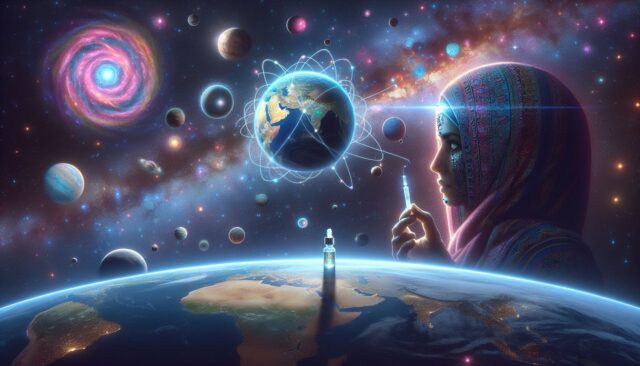
The link between the cosmos, metaphysics, and improving one’s mental health through micro-dosing has sparked deep interest within society. With the recent advances in space exploration and the increasing interest in the entheogenic practices, fascinating theories about life on other planets and how it might influence our understanding of humans’ journey on Earth are emerging.

Understanding Micro-dosing and Life’s Journey

Micro-dosing typically involves consuming small amounts of psychedelic substances, such as psilocybin (found in magic mushrooms) or LSD, to promote mental well-being, boost creativity, enhance mood or increase focus without experiencing a complete psychedelic trip. Advocates and practitioners often see micro-dosing as a tool aiding introspective understanding of life’s journey, enhancing connectivity with the self and broader cosmos.

The Relationship Between Psychedelics, Mental Health, and Outer Space

Everything in our universe, including us, is comprised of stardust. This shared cosmic heritage fosters a sense of connectedness with everything around us. Psychedelic substances like psilocybin or LSD induce a shift in consciousness that deepens this cosmic connection. There’s a growing body of research suggesting that such experiences could have therapeutic potential for treating various mental health conditions such as depression, anxiety, and PTSD.

NASA’s recent discoveries on Mars and the possibility of a breakthrough in confirming extraterrestrial life are further galvanizing the connection between the cosmos and psychedelics. Let’s explore the most intriguing theories about life on other planets and how they could influence micro-dosing practices.

The Alien Origins of Psychedelic Substances

Terence McKenna, renowned ethnobotanist and philosopher, postulated that psychedelic substances like psilocybin might have extraterrestrial origins. In his “Stoned Ape Theory,” he suggests that psychoactive plants could have influenced early human evolution, enhancing our cognitive abilities and levels of consciousness.

The theory proposes that the consumption of psychoactive substances fostered social bonding, leading to language development and the first sense of spirituality. McKenna also believed that these substances were instrumental in promoting neural network development, thereby expediting human evolution. If this theory holds, it implies that psychedelics could have a profound impact on our mental health and our capacity to understand our place in the universe.

The PANSPERMIA Theory and the Cosmic Connection

The Panspermia theory provides a compelling argument concerning the origin of life on Earth. It suggests that life did not start on Earth but was transferred from elsewhere in the cosmos, possibly through an asteroid or comet impact that carried micro-organisms.

While unproven, the theory implies an intrinsic bond between all life and the cosmos. Micro-dosing, with its ability to induce profound feelings of connectedness and unity, may help individuals wrap their minds around such a concept. This understanding of life’s journey may serve as a comforting notion in the context of human existence’s existential concerns.

Micro-dosing and The Multiverse Theory

The Multiverse Theory, a component of cosmology, posits that our universe is just one of an infinite number of universes. Each multiverse may have different physical laws, dimensions, and forms of life.

Micro-dosing may facilitate a greater appreciation of the Multiverse Theory by enhancing open-mindedness, creativity, and reducing egocentricity. This perspective might aid individuals in conceptualizing an infinite number of universes, fostering a sense of awe, humility, and wonder.

Micro-dosing: A Personal Gateway to Outer Worlds

The intriguing theories about the existence of life, whether on other planets or in other universes, fuel the imagination and broaden the perspective of our place within the cosmos. Micro-dosing could be viewed as a personal tool for individuals seeking to better understand these concepts, allowing for a unique exploration of one’s consciousness and connection to the universe.

The practice of micro-dosing and its relationship to life’s journey and our mental well-being provide a fascinating narrative about our species’ place in the universe. Our cosmic connection, enhanced through psychedelic experiences, fosters the expansion of consciousness, allowing us to explore existential questions about our origins and the potential life on other planets.

As we voyage to different corners of the cosmos, exploring untouched territories, we might be inching closer to a better comprehension of human life and our interconnection with the multiverse. Micro-dosing, by inducing a communal sense of unity and connectedness, might be the bridge between our Earth-bound understanding and the unfathomable alien realms that await us.

As Carl Sagan once said, “We are a way for the cosmos to know itself.” Perhaps, through micro-dosing, we might accelerate this process of self-discovery, venturing further into the cosmic journey of understanding life.

Educating Your Children About Life: An Insight into Micro-dosing and Mental Health

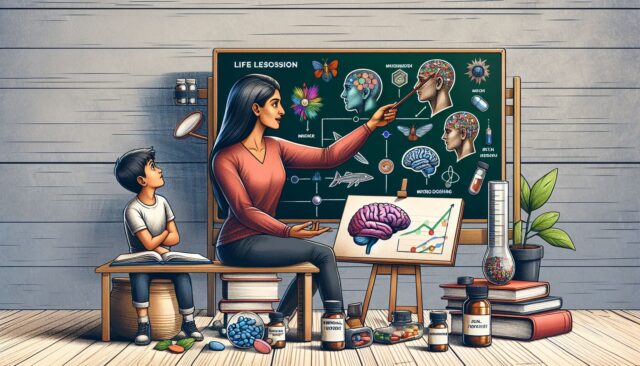
As adults, we navigate the world using the tools and life lessons learned from our own experiences. One of these tools, which is seeing a gradual shift into mainstream conversations, is the practice of micro-dosing. Specifically, there has been a growing interest among individuals about the potential benefits micro-dosing can bring to mental health and overall wellness. However, as parents, how do we educate our children about this unique life tool? This article provides a comprehensive guide for parents interested in micro-dosing, on how to engage your children in informed discussions about life, mental health, and the responsible use of substances.

Introduction to Micro-dosing

Micro-dosing is the practice of consuming minimal amounts, typically 1/10th to 1/20th of a recreational dose, of psychedelic substances such as psilocybin or LSD. The intent is not to experience a ‘trip’, rather, micro-dosers seek to enhance creativity, energy, emotional balance, and mental well-being.

In an age where mental health awareness is increasingly pivotal, parents can utilize these concepts to educate children about mental health, wellness, and responsible decisions. While some may find discussing such topics challenging, it’s essential to foster an open dialogue about these realities in a clear, appropriate, and respectful way.

The Intersection of Micro-dosing and Mental Health

When exploring the intersection of micro-dosing and mental health, always remember the paramount principle: The focus should be on safety, awareness, and the responsible use of any substances.

Start by explaining the concept of mental health. Make sure your child understands that just like physical health, everyone has mental health that needs care and attention. Discuss how some people may use different tools, like therapy, medication, or alternative practices such as micro-dosing to take care of their mental health.

Use the micro-dosing conversation as an opportunity to discuss responsible decision making, critical thinking, and the value of research. Let your children know that all substances – from caffeine and alcohol to prescription drugs, over-the-counter medication, and psychedelics – can have effects on our mental and physical wellbeing, and these impacts can be both positive and negative.

Stress on the importance of proper usage, dosage, and pacing, and impart the wisdom that if they ever decide to use a substance in later life, they should do so responsibly, with plenty of research, proper guidance, and an understanding of the potential risks and benefits.

Life Lessons from Micro-dosing

Micro-dosing offers valuable life lessons for young minds. It emphasizes the notion of balance, the importance of small actions leading to substantial changes, and the power of mindful living.

You can use the metaphor of micro-dosing to explain how small, consistent actions over time can have a large impact. For example, studying a little each day for a test can lead to better outcomes than cramming the night before.

Furthermore, the practice encourages self-awareness and introspection. Teach your children that every action we take has an effect on our bodies and minds. Encourage them to pay attention to these effects – whether it’s how much better they feel when they eat healthy food, get enough sleep, or engage in regular physical activity.

Lastly, utilize the conversation on micro-dosing to enhance your child’s critical thinking skills. This provides an opportunity to teach them about the importance of reviewing scientific evidence, understanding bias, and asking thoughtful questions.

Conclusion: Encouraging Responsible Conversations

As a parent invested in micro-dosing and mental health, it’s essential to build a supportive environment where your children feel comfortable discussing life choices related to wellness and health. The discussion about micro-dosing offers an opportunity to provide valuable life lessons and enhance understanding about the nuances of mental health. The overarching takeaway is a lesson on responsibility; whether it’s taking care of one’s mental health, making choices about substance use, or navigating life in general, responsible actions based on knowledge and awareness will lead to better outcomes.

The world of mental health and wellness is vast, and micro-dosing merely represents one facet of it. As parents, the conversation surrounding this practice offers a valuable opportunity to empower our children with knowledge and tools they need to navigate life effectively and responsibly. It equips them with an open-minded maturity towards different methods of self-care, enhancing their capability to make informed choices for their mental and overall wellbeing in the long run.

Discovering the Cosmos: What We Know About The Universe

As a child, did you ever gaze at the night sky from your bedroom window before bed, it’s vastness filled with twinkling stars and the glowing moon? Did you ever lay in the grass on a warm summer night, staring up at the inky blackness with the milky streak of our galaxy cutting across the sky, wondering what was out there? Our universe is a fascinating place – a mysterious realm of celestial bodies and cosmic phenomena. Just like a life journey, the exploration of the universe has been filled with great discoveries and immense challenges.

The Big Picture: What Is the Universe?

The universe, in simplest terms, is all the matter, energy, and space that exists. It encompasses everything from the tiniest particles to the largest galaxies, from the weakest forces to the strongest energies. Scientists estimate that the universe is around 13.8 billion years old, originating from an event known as the Big Bang.

Life Journey through The Universe: Timeline of Discoveries

Our human journey of exploring the universe is not unlike any life adventure, with its own ups and downs, twists, turns, and unexpected surprises. Starting with ancient civilizations, who studied the stars and planets with humble instruments, to the modern era with our high-powered telescopes and spacecrafts, a timeline of our discoveries can look something like this:

  • Early Astronomy: The first astronomers used simple tools to study the night sky, noticing patterns and beginning to unlock the secrets of the universe.

  • Copernican Revolution: In the mid-16th century, Polish astronomer Nicolaus Copernicus proposed that Earth is not the center of the universe, but rather, the sun is. This revolutionary idea led to the development of the heliocentric model of the universe.

  • Galileo’s Discoveries: Galileo Galilei improved the telescope and made numerous important discoveries in the early 17th century, including the moons of Jupiter and the phases of Venus.

  • Einstein’s Theory of Relativity: Albert Einstein’s general theory of relativity radically transformed our concept of space and time in the early 20th century.

  • Expansion of the Universe: Edwin Hubble discovered that galaxies are moving away from us in the 1920s, implying that the universe is expanding—a major piece of evidence confirming the Big Bang theory.

  • Cosmic Microwave Background: In 1965, Arno Penzias and Robert Wilson discovered the cosmic microwave background radiation, which is thought to be leftover heat from the Big Bang.

  • Dark Matter and Dark Energy: In the last century, astronomers discovered that most of the universe is made up of unknown substances called dark matter and dark energy, puzzling mysteries that continue to push the boundaries of scientific understanding.

Just like a life journey, each discovery has led us closer to a better understanding of the universe and our place in it and made us aware of how much more there is left to explore and understand.

Down the Rabbit Hole: The Universe’s Mysteries

The universe is not all about stars and galaxies, it’s also full of incredible phenomena that push the boundaries of our understanding. These include:

  • Black Holes: Supermassive black holes are mysterious celestial bodies that possess extremely strong gravitational forces.

  • Dark Matter and Dark Energy: These invisible substances can’t be directly detected, but their effects can be seen in how galaxies rotate and how the universe expands.

  • Multiverse: It’s possible that our universe is not the only one. There could be countless other universes out there – an idea known as the multiverse theory.

These mysteries make the scientific journey to understanding the universe such a thrilling life adventure!

Conclusion: The Ongoing Adventure

Like any bold journey or adventure, our quest to understand the universe is a path paved with challenges, the thrill of discovery, and the joy of knowledge. It’s an adventure that requires us to push our boundaries, face our limitations, and boldly explore the unknown – much like our own life journeys.

The universe is not just about far-off stars and galaxies; it’s also about us. Studying the universe tells us about our origins, our planet, and potentially, our future. Each new discovery reshapes our perspective, teaching us humility in the face of the vast cosmos and serving as a constant reminder of our shared cosmic heritage and destiny.

So, as you gaze at the night sky, remember: you’re not just looking at stars or galaxies; you’re witnessing the cosmic story – the thrilling adventure that we’re all part of – unfolding across the expanse of the universe.

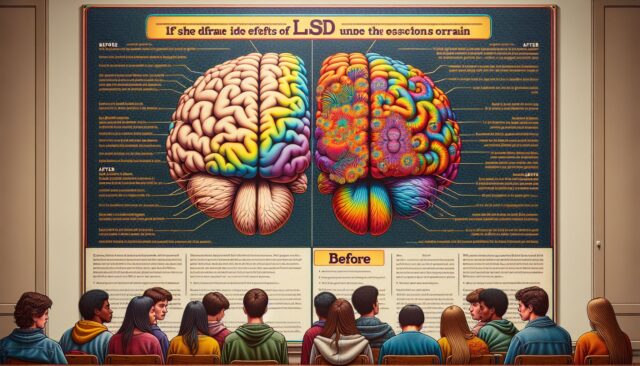
The Impact of LSD on the Brain: What Students Need to Know

LSD, also known as acid, is a powerful hallucinogenic drug that can have profound effects on the brain. For students who may be curious about experimenting with LSD, it’s essential to understand how this drug can impact your brain and overall well-being. In this article, we will explore the science behind LSD and its effects on the brain.

How LSD Works

LSD works by interacting with serotonin receptors in the brain. Serotonin is a neurotransmitter that plays a crucial role in regulating mood, sleep, and perception. When LSD binds to serotonin receptors, it causes a flood of serotonin in the brain, leading to altered perceptions, hallucinations, and changes in mood.

Effects of LSD on the Brain

One of the most well-known effects of LSD is the distortion of perception. Users may experience vibrant colors, geometric patterns, and a sense of time and space being distorted. These hallucinogenic effects are a result of LSD’s impact on the brain’s visual cortex, which processes visual information.

LSD also affects the prefrontal cortex, which is responsible for decision-making, self-control, and emotional regulation. Users may experience changes in their sense of self, ego dissolution, and intense emotional experiences while under the influence of LSD. This can be both fascinating and alarming for users, as they may feel disconnected from reality.

Long-Term Effects of LSD

While the acute effects of LSD are generally short-lived, there is growing evidence that long-term use of LSD can have lasting effects on the brain. Chronic use of LSD has been associated with changes in brain structure and function, including alterations in serotonin receptors and changes in brain connectivity.

One study found that individuals who had used LSD had reduced connectivity between brain regions involved in self-referential processing, which may contribute to a sense of disconnection from oneself and others. This highlights the importance of understanding the potential risks of using LSD, especially for students who are still developing psychologically and neurologically.

Risks of Using LSD

In addition to its impact on the brain, LSD use can also pose risks to one’s mental health and overall well-being. Some users may experience “bad trips,” characterized by intense fear, paranoia, and confusion. These experiences can be traumatic and have long-lasting effects on mental health.

There is also a risk of LSD-induced psychosis, where individuals may experience delusions, hallucinations, and disorganized thinking. While these effects are usually temporary, they can be distressing and may require medical intervention.

Conclusion

While LSD can offer a mind-bending experience for some users, it’s essential to understand the potential impact of this drug on the brain. From altering perception to affecting brain connectivity, LSD has the potential to have profound and lasting effects on one’s mental health and well-being.

For students considering experimenting with LSD, it’s crucial to weigh the risks and benefits carefully. Understanding how LSD works and its effects on the brain can help individuals make informed decisions about their health and well-being. Remember, your brain is a precious organ that deserves to be protected and cared for throughout life’s journey.

Educating Your Children About Life: A Guide for Parents

As parents, one of our most important tasks is to educate our children about life. While traditional education focuses on academic subjects, it is equally important to teach our children about the day-to-day realities of living in the world. By imparting valuable life lessons to our children, we can help them navigate the complexities of adulthood with confidence and skill.

Learning through Experience

One of the most effective ways to educate children about life is through experiential learning. By allowing them to participate in real-world activities and situations, we can help them develop crucial life skills such as problem-solving, decision-making, and resilience. For example, involving children in household chores can teach them responsibility and the value of hard work. Similarly, allowing children to make decisions about their own interests and activities can help them develop independence and self-confidence.

Setting a Positive Example

Parents are the primary role models for their children, and our actions speak louder than words. By living an exciting and fulfilling life ourselves, we can inspire our children to do the same. Whether it’s pursuing a passion, overcoming challenges, or embracing new opportunities, we can show our children that life is full of possibilities. By demonstrating resilience in the face of adversity and maintaining a positive outlook, we can teach our children the importance of perseverance and optimism.

Encouraging Curiosity and Exploration

Children are naturally curious and eager to explore the world around them. As parents, we can help foster this curiosity by encouraging our children to ask questions, seek out new experiences, and learn from their mistakes. By supporting their interests and encouraging them to try new things, we can help them develop a lifelong love of learning. Whether it’s through reading books, visiting new places, or trying new hobbies, we can expand our children’s horizons and teach them to embrace new opportunities.

Teaching Empathy and Respect

In addition to academic and practical skills, it is essential to teach our children about social and emotional intelligence. By instilling values such as empathy, compassion, and respect for others, we can help our children build healthy relationships and navigate social situations with grace and empathy. Teaching our children to consider the feelings and perspectives of others can help them develop strong interpersonal skills and become caring, compassionate individuals.

Nurturing Resilience and Adaptability

Life is full of unexpected twists and turns, and it is essential to equip our children with the skills to navigate uncertain times. By teaching them resilience and adaptability, we can help our children weather life’s storms and emerge stronger and more resilient. Encouraging children to face challenges head-on, learn from their mistakes, and bounce back from setbacks can help them develop the toughness and tenacity needed to thrive in an ever-changing world.

Conclusion

In conclusion, educating our children about life is a vital responsibility that all parents must take seriously. By providing our children with opportunities for experiential learning, setting a positive example, encouraging curiosity and exploration, teaching empathy and respect, and nurturing resilience and adaptability, we can help them develop the skills and values they need to succeed in life. As parents, we have the power to shape our children’s futures and empower them to live exciting, fulfilling lives. Let us embrace this role with enthusiasm and dedication, knowing that the lessons we impart today will have a lasting impact on our children’s lives tomorrow.