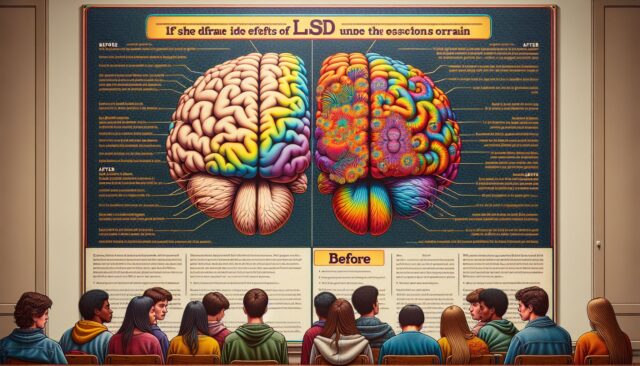
LSD, also known as acid, is a powerful hallucinogenic drug that can have profound effects on the brain. For students who may be curious about experimenting with LSD, it’s essential to understand how this drug can impact your brain and overall well-being. In this article, we will explore the science behind LSD and its effects on the brain.
How LSD Works
LSD works by interacting with serotonin receptors in the brain. Serotonin is a neurotransmitter that plays a crucial role in regulating mood, sleep, and perception. When LSD binds to serotonin receptors, it causes a flood of serotonin in the brain, leading to altered perceptions, hallucinations, and changes in mood.
Effects of LSD on the Brain
One of the most well-known effects of LSD is the distortion of perception. Users may experience vibrant colors, geometric patterns, and a sense of time and space being distorted. These hallucinogenic effects are a result of LSD’s impact on the brain’s visual cortex, which processes visual information.
LSD also affects the prefrontal cortex, which is responsible for decision-making, self-control, and emotional regulation. Users may experience changes in their sense of self, ego dissolution, and intense emotional experiences while under the influence of LSD. This can be both fascinating and alarming for users, as they may feel disconnected from reality.
Long-Term Effects of LSD
While the acute effects of LSD are generally short-lived, there is growing evidence that long-term use of LSD can have lasting effects on the brain. Chronic use of LSD has been associated with changes in brain structure and function, including alterations in serotonin receptors and changes in brain connectivity.
One study found that individuals who had used LSD had reduced connectivity between brain regions involved in self-referential processing, which may contribute to a sense of disconnection from oneself and others. This highlights the importance of understanding the potential risks of using LSD, especially for students who are still developing psychologically and neurologically.
Risks of Using LSD
In addition to its impact on the brain, LSD use can also pose risks to one’s mental health and overall well-being. Some users may experience “bad trips,” characterized by intense fear, paranoia, and confusion. These experiences can be traumatic and have long-lasting effects on mental health.
There is also a risk of LSD-induced psychosis, where individuals may experience delusions, hallucinations, and disorganized thinking. While these effects are usually temporary, they can be distressing and may require medical intervention.
Conclusion
While LSD can offer a mind-bending experience for some users, it’s essential to understand the potential impact of this drug on the brain. From altering perception to affecting brain connectivity, LSD has the potential to have profound and lasting effects on one’s mental health and well-being.
For students considering experimenting with LSD, it’s crucial to weigh the risks and benefits carefully. Understanding how LSD works and its effects on the brain can help individuals make informed decisions about their health and well-being. Remember, your brain is a precious organ that deserves to be protected and cared for throughout life’s journey.